
Geschiedenis van antieke keramische patroontegels
De belangrijkste ontdekking voor de productie van antieke keramische patroontegels was oorspronkelijk helemaal niet bedoeld om deze vloertegels te maken. De Engelse ingenieur Richard Prosser ontwikkelde zijn uitvinding namelijk voor het vervaardigen van knopen, ringen en andere voorwerpen van hetzelfde materiaal. Dit materiaal bestond uit een fijne, bijna droge kleipoeder die onder hoge druk tussen platen werd geperst met behulp van een schroefpers.
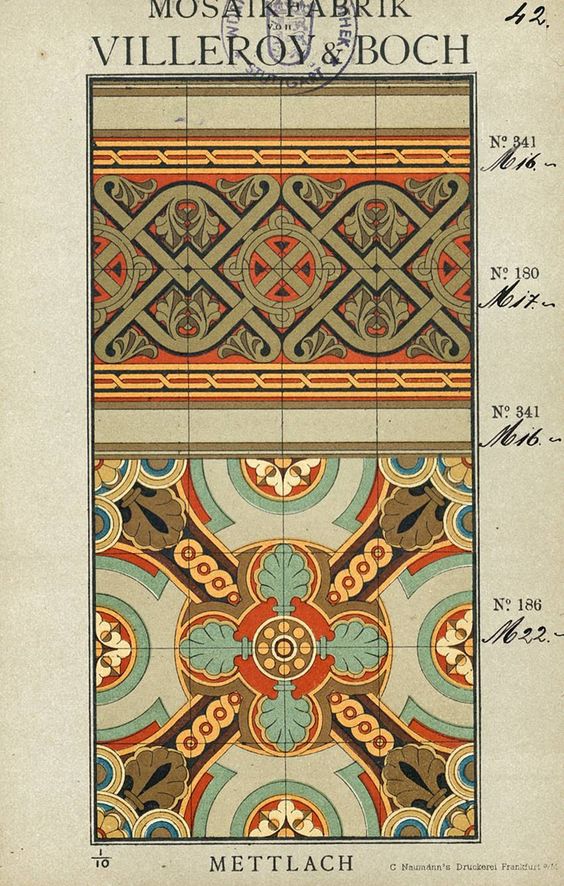
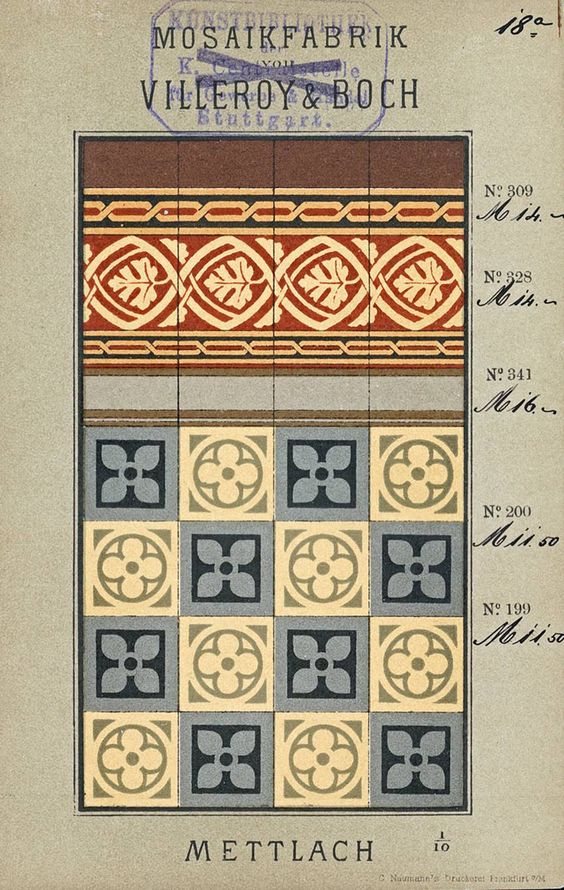
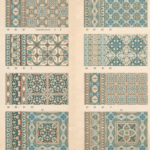
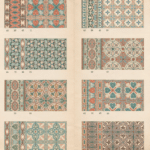
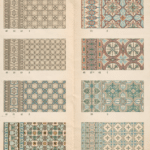
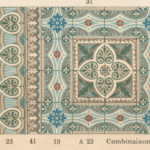
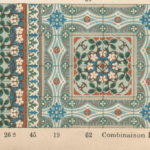
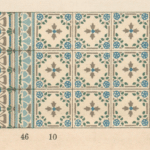
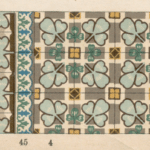
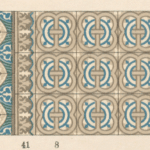
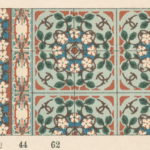
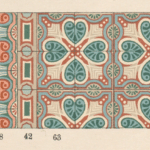
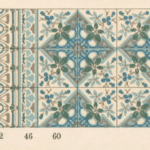
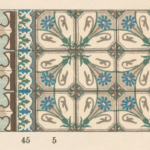
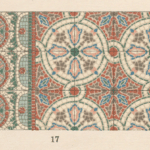
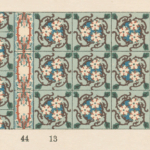
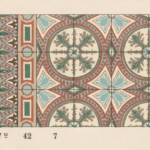
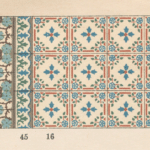
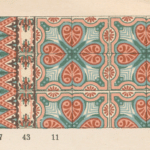
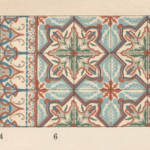
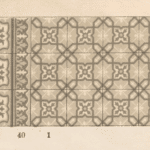
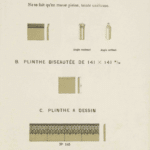
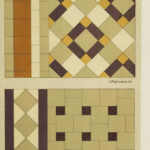
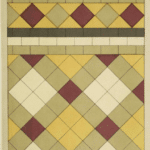
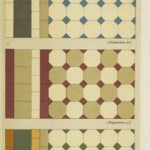
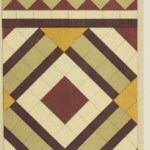
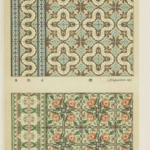
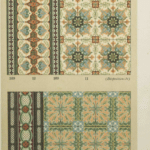
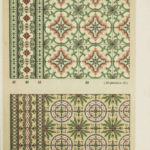
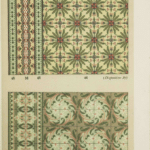
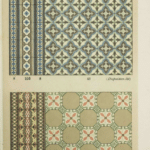
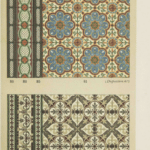
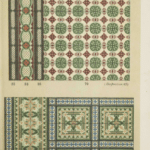
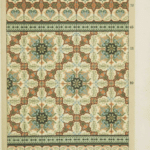
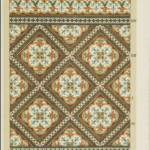
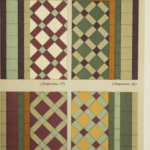
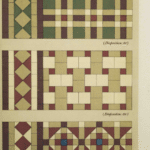
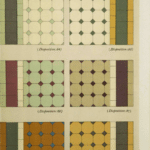
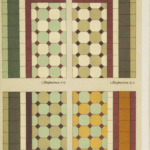
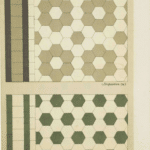
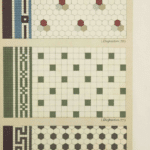
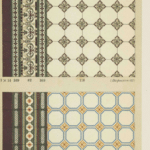
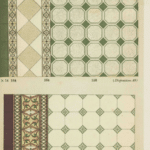
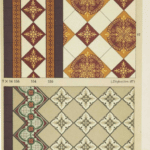
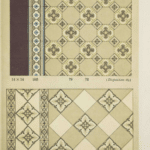
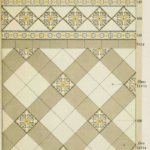
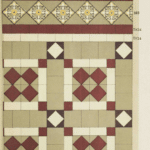
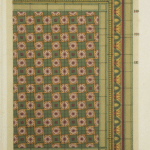
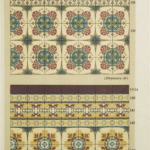
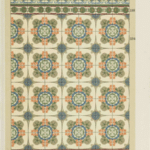
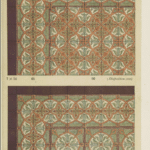
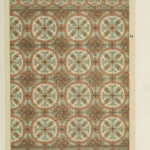
De Engelse aardewerkfabrikant Herbert Minton zag al snel de mogelijkheden van Prosser’s uitvinding en kocht een aandeel in zijn patent. Niet lang daarna had Minton meerdere persen in gebruik. Hieronder zie je enkele voorbeelden uit een catalogus van deze fabrikant uit die tijd, Minton.
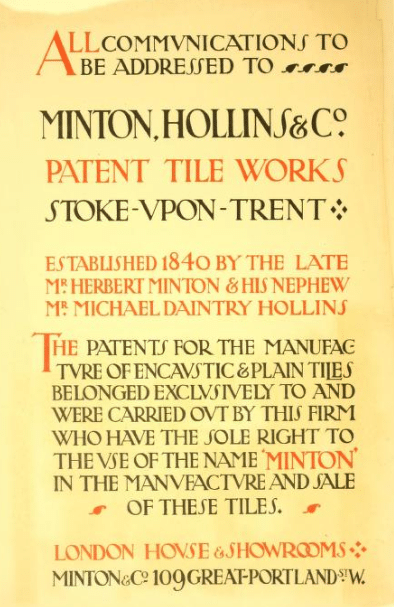
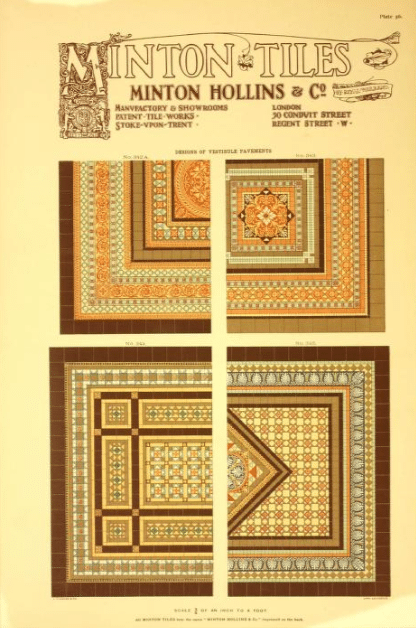
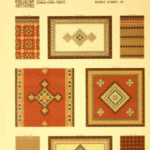
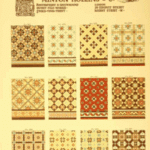
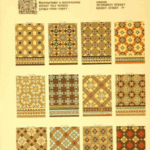
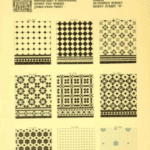
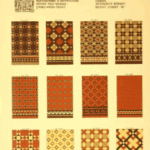
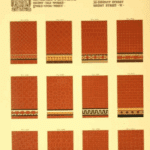
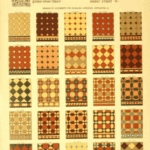
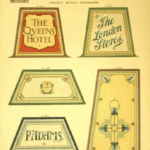
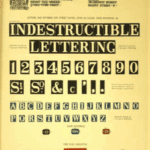
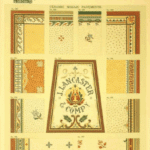
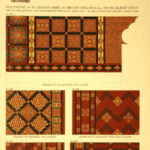
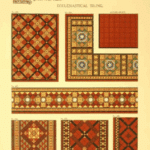
De oude drooggeperste vloertegels hadden veel voordelen ten opzichte van traditionele antieke tegels. Een ervaren vakman kon nu per dag veel meer tegels produceren. Daarnaast was het mogelijk om strak gevormde tegels te maken die tijdens het bakken nauwelijks tot niet kromtrokken.
Deze antieke patroontegels hadden ook minder droogtijd nodig dan traditionele tegels. Door de uitvinding van het droogpersen konden antieke keramische vloertegels op grote schaal worden geproduceerd, met een constante kwaliteit en tegen betaalbare prijzen.
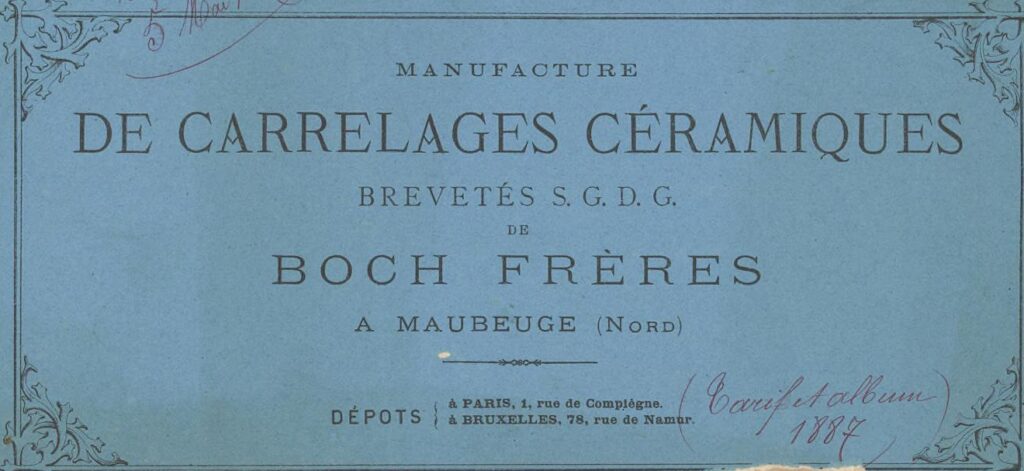
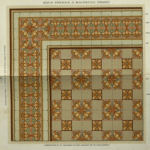
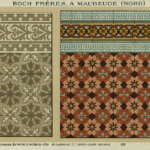
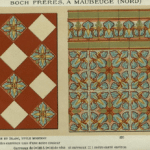
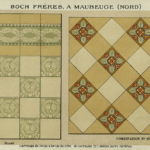
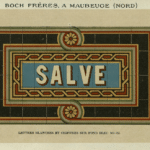
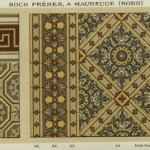
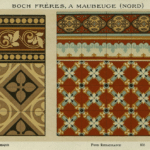
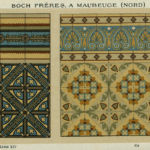
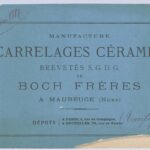
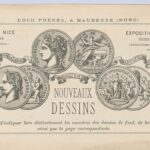
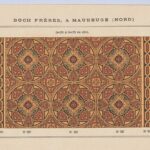
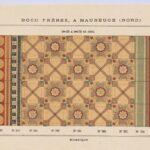
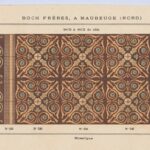
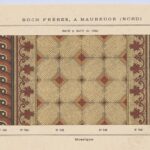
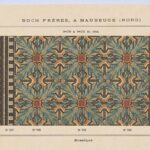
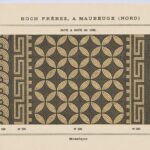
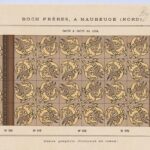
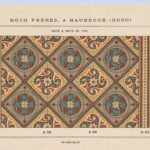
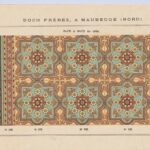
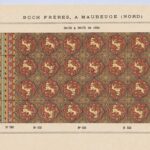
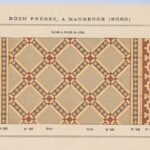
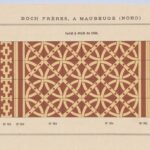
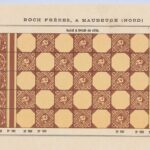
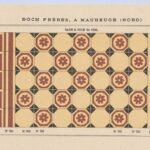
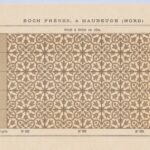
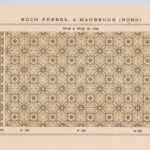
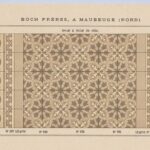
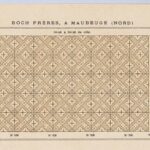
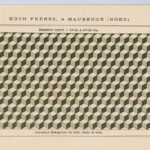
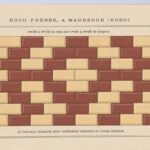
Fabrikant Boch Frères
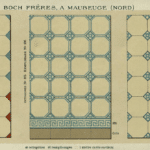
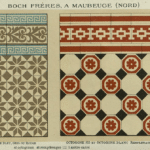
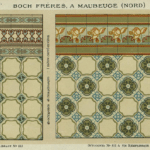
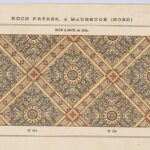
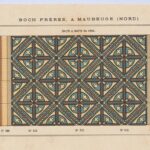
De familie Boch was een pionier in de productie van antieke keramische vloertegels. Naar Engels voorbeeld introduceerden zij de productie van ingelegde antieke vloertegels. Deze tegels met ingelegde motieven werden een groot commercieel succes. Dat succes is deels te verklaren door de sterk groeiende vraag naar dit type tegel.
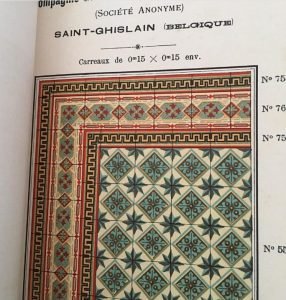
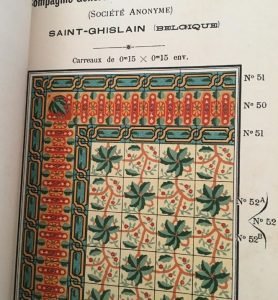
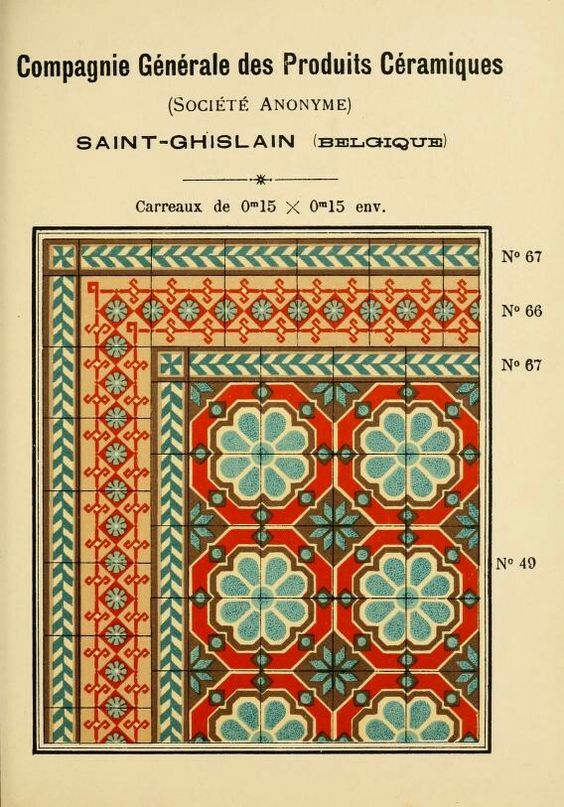
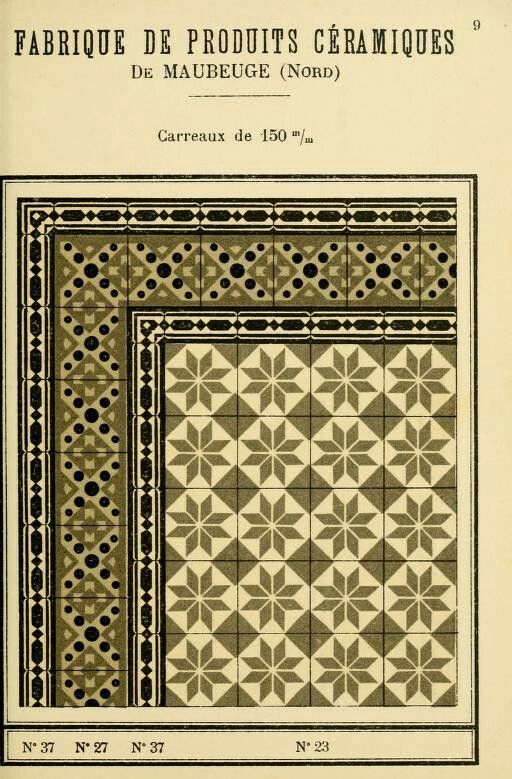
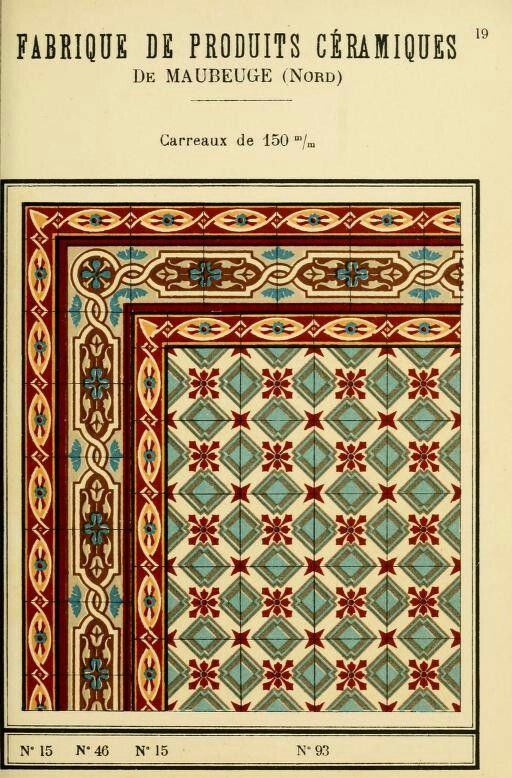
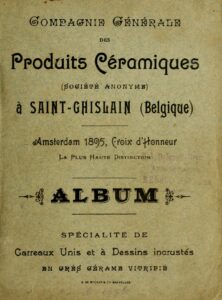
Het succes van Boch Frères zorgde al snel voor de opkomst van veel concurrerende tegelfabrieken in België en Frankrijk. Rond 1900 behoorden onder andere Carrelages Céramique de Chimay, Maufroid Frères & Soeur, SA Compagnie Générale des Produits Céramiques de Saint-Ghislain, SA des Carrelages et Produits Céramiques de Chimay en Gilliot Frères tot de belangrijkste producenten van keramische patroontegels in België. Naast vloertegels produceerden sommige fabrieken ook haardtegels en zware plavuizen voor intensiever gebruik.
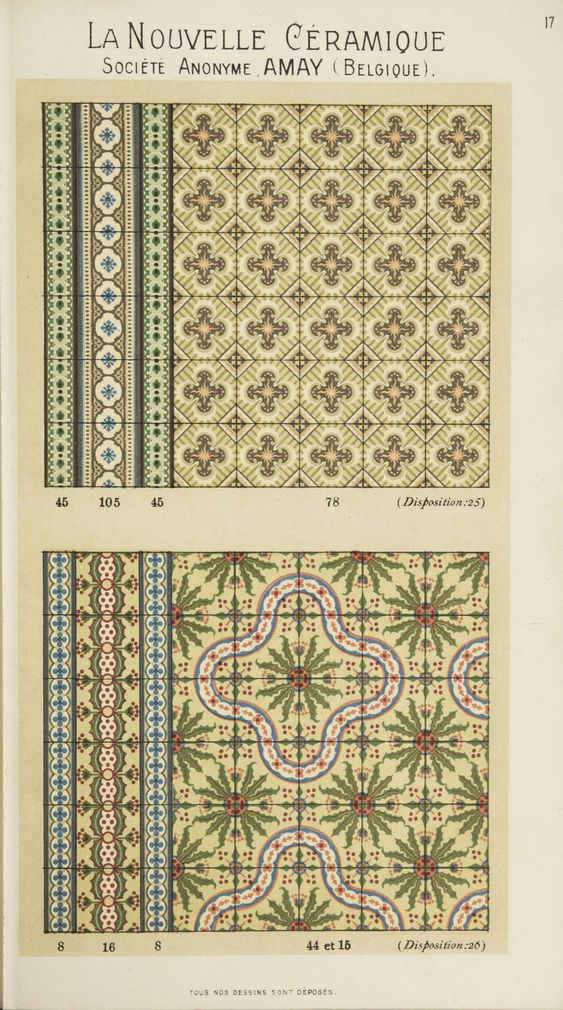
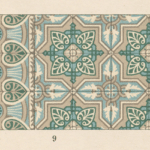
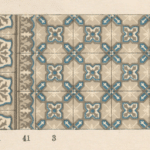
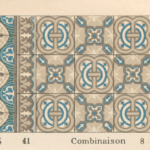
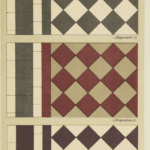
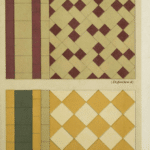
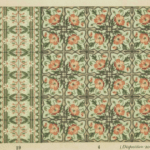
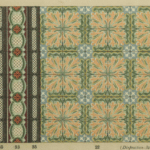
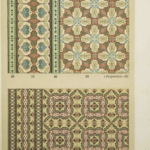
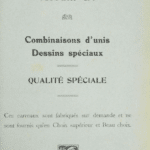
Net als bij cementtegels werd een groot deel van de antieke keramische vloertegels geëxporteerd. Binnen deze tegels ontstond een grote variatie aan stijlen en motieven, zoals Art Nouveau en Art Deco. Deze ambachtelijke vloertegels werden vaak gelijktijdig in catalogi aangeboden.
Het grootste deel van onze collectie bestaat uit antieke keramische tegels, dankzij hun veelzijdigheid en unieke uitstraling. Al onze antieke vloertegels, zowel keramisch als cement, zijn prachtig te combineren met effen tegels. Hiermee kun je eenvoudig grotere oppervlakken creëren. Bekijk onze impressies voor inspiratie en toepassingen.
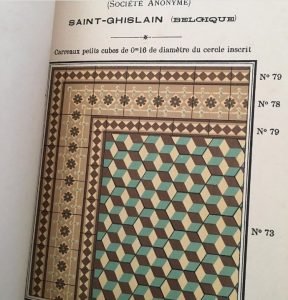
Manufacturer Octave Colozier

Persoon
In 1889 nam Octave Colozier de familiefabriek in Saint-Just-des-Marais over, die oorspronkelijk door zijn grootvader François Colozier was opgericht, en moderniseerde deze grondig. Hij voerde technologische innovaties door, zoals de mechanisatie van de productielijnen en de bouw van meerdere “fours Hoffmann” (grote industriële ovens) tussen circa 1890 en 1913. Dankzij deze modernisering groeide zijn bedrijf uit tot een belangrijke speler op het gebied van vloertegels en keramische tegels in Frankrijk.
Het bedrijf / industrieel erfgoed
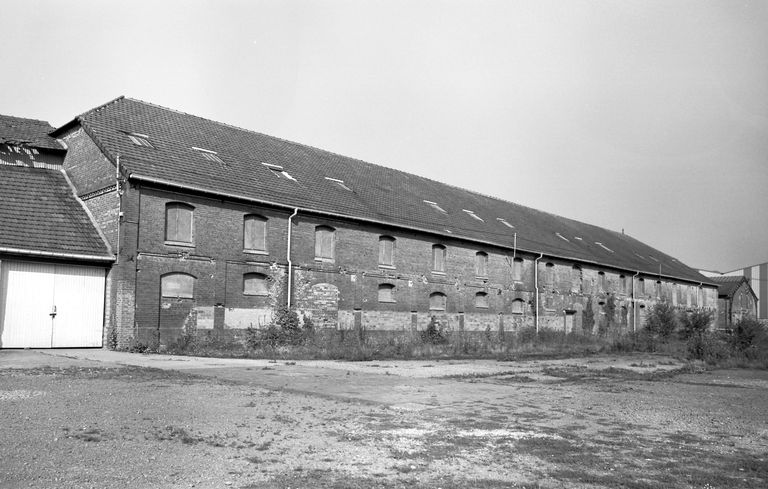
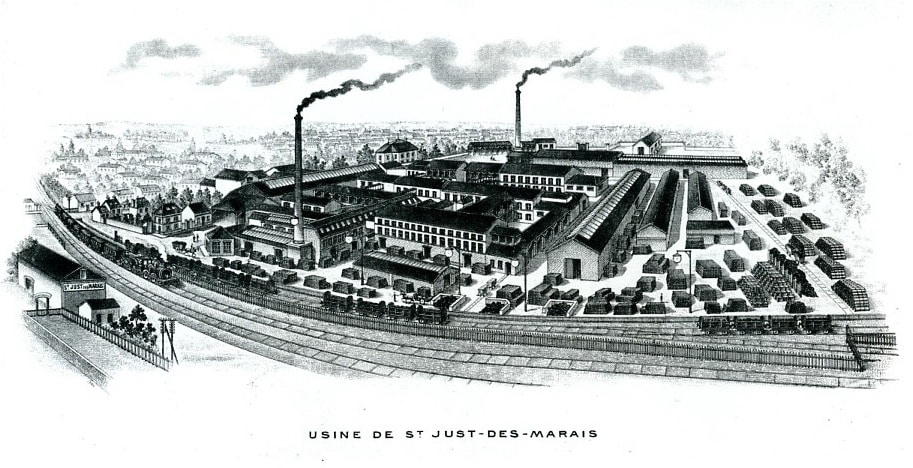
De fabriek werd vaak “Usine Colozier” of “Manufacture Colozier” genoemd en was gevestigd in Saint-Just-des-Marais. Oorspronkelijk was het een klei-/bakkersfabriek (briqueterie) rond 1840, opgericht door François Colozier, en later door Octave omgevormd tot de productie van keramische tegels (“carreaux”). Tussen 1906 en 1930 bouwde de fabriek ook arbeiderswoningen (“cités ouvrières”) in de omgeving, wat typerend was voor het ‘paternalisme’ van die tijd: de werkgever zorgde ook voor huisvesting. De fabriek sloot uiteindelijk in 1959, waarna het terrein werd overgenomen door een fabriek voor kunstmatige/synthetische vezels.
Locatie en betekenis
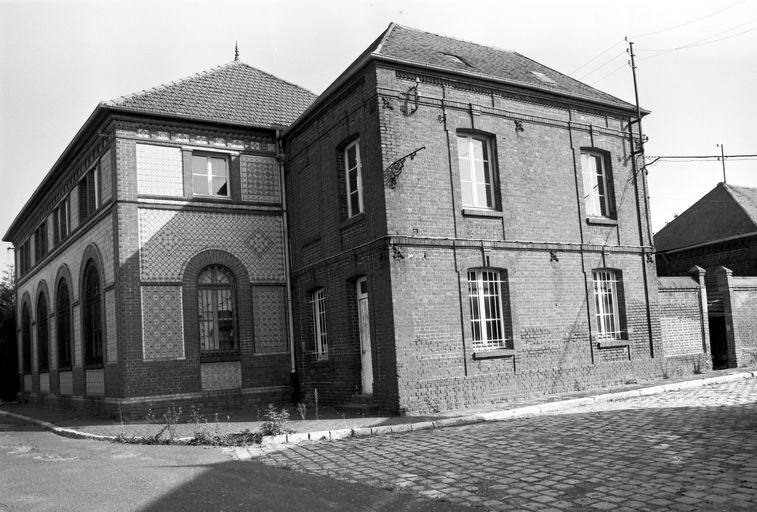
Saint-Just-des-Marais was een zelfstandige gemeente, maar werd in 1943 bij Beauvais gevoegd. De fabriek lag vlak bij de spoorlijn, wat logistiek gunstig was, en de gevel van het kantoorgebouw van circa 1910 is versierd met keramische tegels die de productie van de fabriek tonen — een soort visitekaartje in steen en keramiek. Volgens het erfgoedbestand wordt het industriële complex van Colozier erkend als belangrijk industrieel erfgoed: architectuur, productietechnieken (inclusief de Hoffmann-ovens) en sociale huisvesting zijn historisch waardevol.
Waarom interessant
Het is een voorbeeld van industriële modernisering aan het einde van de 19e eeuw/begin 20e eeuw in Frankrijk, binnen de keramische sector. Colozier-tegels worden nog steeds verzameld of hergebruikt bij restauraties; ze worden gewaardeerd om hun kwaliteit, decoratieve en historische waarde. Het bedrijf is bovendien sociaal interessant: de fabriek bood huisvesting, had een verbinding met spoor/infrastructuur en toont de overgang van klei-/steenproductie naar keramische vloertegels.
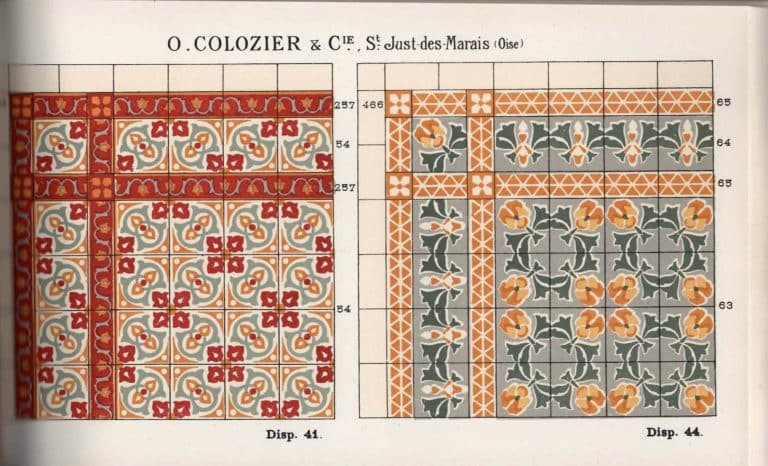
Hieronder enkele foto’s en interessante details van de fabriek van Octave Colozier in Saint-Just-des-Marais (nu onderdeel van Beauvais, departement Oise) — de oude “Usine Colozier”.
Foto’s en wat je ziet
De gevel van het kantoorgebouw, gebouwd rond 1910 langs de spoorlijn, is versierd met tegels uit de eigen productie van de fabriek — een direct “etalage” van het vakmanschap.
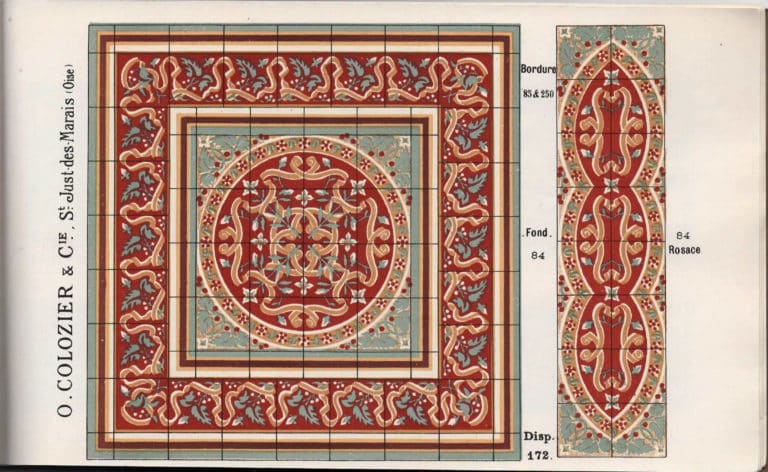
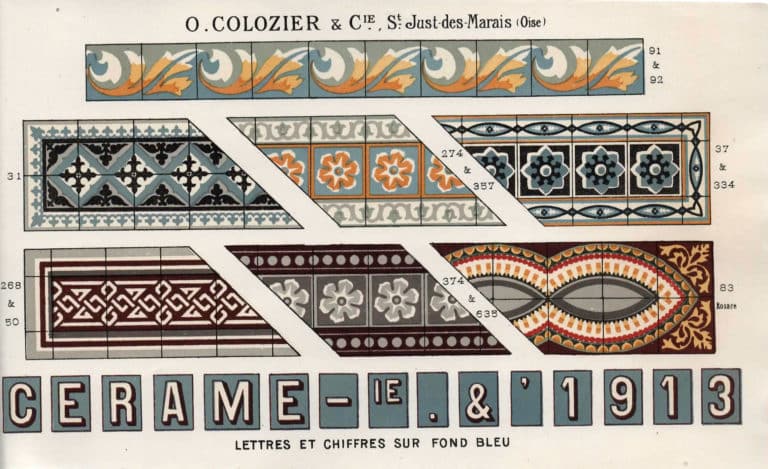
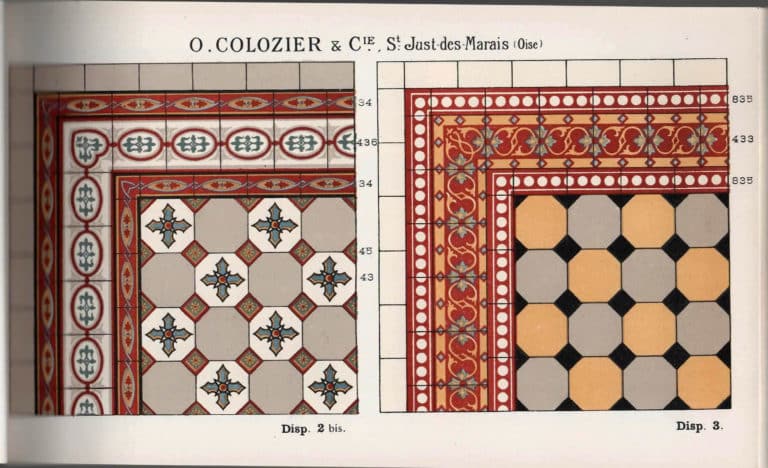
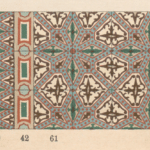
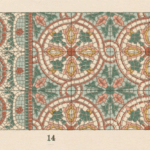
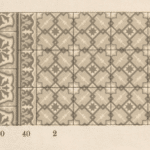
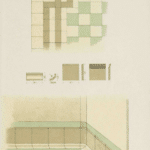
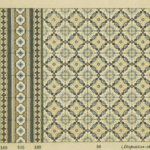
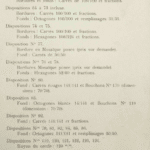
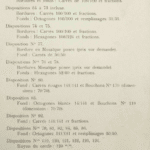
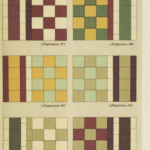
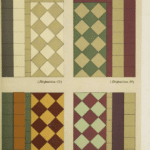
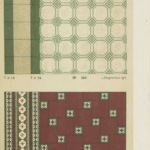
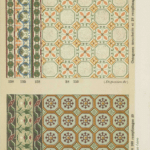
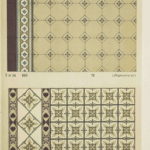
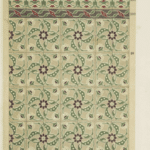
Voorbeelden uit een catalogus van 1913 met tegelmotieven en boordtegels geproduceerd door Colozier, inclusief typenummers, kleuren en patronen.
-
Aanvullende details & context
De fabriek op het adres “Derrière le Moulin” in Saint-Just-des-Marais (gemeente Beauvais) wordt beschreven en gedocumenteerd in het dossier “Usine de carreaux de grès cérame Colozier …”, dat deel uitmaakt van het Inventaire Général du Patrimoine Culturel van de regio Hauts-de-France.
Historisch gezien was de fabriek vanaf 1840 een klei-/briquetfabriek, maar onder leiding van Octave Colozier werd deze vanaf circa 1890 omgevormd tot de productie van ingelegde grès-cérame vloertegels en wandtegels. De productie was op grote schaal: vóór de Eerste Wereldoorlog kon de fabriek meerdere miljoenen tegels per jaar produceren. (Zo vermeldt een externe bron bijvoorbeeld “meer dan 35 miljoen tegels per jaar in 1912!” voor Colozier.)
Na de sluiting van de tegelproductie in 1959 werd het terrein overgenomen door een synthetische vezelfabriek (Novacel / nu Spontex).
Tips als je zelf wilt kijken of verder wilt onderzoeken
- Let bij een bezoek op de spoorzijde van het terrein – hier stond het decoratieve kantoorgebouw met zijn tegelbekleding.
- Het zoeken naar oude Colozier-catalogi (bijvoorbeeld 1913) kan helpen bij het identificeren van tegelmotieven in historische gebouwen of restauratieprojecten.
- Voor restauratie of aankoop: tegelmonsters met het monogram “OC” (Octave Colozier) kunnen aantonen dat het authentieke Colozier-tegels zijn.
- Omdat veel fabriekspanden nu voor andere doeleinden worden gebruikt of privébezit zijn, is het essentieel om eigendom te respecteren en toestemming te vragen als je het terrein wilt fotograferen of verkennen.
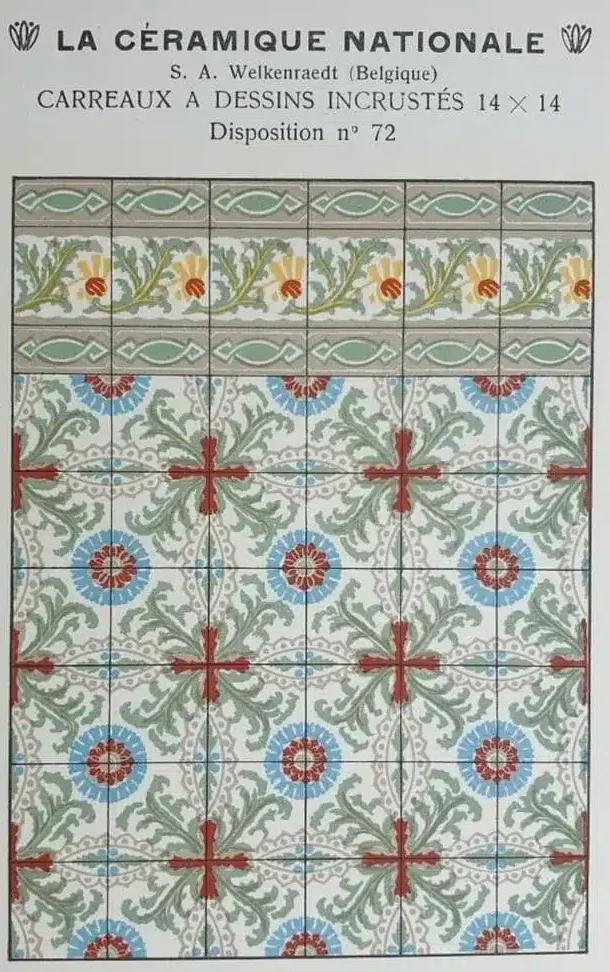
Société Anonyme La Céramique Nationale Welkenraedt

-
Historische achtergrond & oprichting
De fabriek was gevestigd in Welkenraedt (België), vlakbij de grens met Duitsland. De oorsprong is verbonden met een eerdere onderneming: het bedrijf van Victor Poulet (en zijn kinderen), die in de regio, onder andere in Forges, begonnen met de productie van tegels. Vanaf circa 1904 wordt vermeld dat er een vestiging voor vloertegels in Welkenraedt werd gestart, voortbouwend op technologie en modellen uit Forges. De naamgeving “SA La Céramique Nationale” en/of “Welkenraedt Ceramic” vond plaats in de 20e eeuw. Volgens bronnen werd de fabriek hernoemd tot Welkenraedt Ceramic SA, en de sluitingsdatum staat vermeld als 27 november 2000.
Productie & specialisatie
De fabriek produceerde vloertegels (steenachtig, “grès-cérame”) met een uitgebreid aanbod van motieftegels, ingelegde patronen en decoratieve vloeren. Het assortiment werd al vroeg breed: vanaf 1910 waren er meer dan 100 verschillende decors in diverse kleuren en stijlen, waaronder Art Nouveau. Voor het einde van de jaren 1950/60 produceerde de fabriek onder andere vloertegels in formaten zoals 20×20 cm of 30×30 cm, in aardetinten, met dunnere diktes (10-11 mm) om te voldoen aan internationale standaarden.
Belang & erkenning
De fabriek behoorde dankzij innovatie en decoratieve mogelijkheden tot de toonaangevende Belgische vloertegelfabrikanten van die tijd. Deelname en erkenning op wereldtentoonstellingen wordt genoemd, onder andere in Brussel (1910), Gent (1913) en Barcelona (1929). De productie van decoratieve vloeren maakte het bedrijf interessant voor zowel particuliere als openbare gebouwen.
Neergang & sluiting
Net als veel Belgische tegel- en keramiekfabrieken kende dit bedrijf moeilijkheden door internationale concurrentie en veranderende markten. Volgens een bron werd de fabriek effectief gesloten op 27 november 2000. Een andere bron geeft aan dat de fabriek al in de jaren 1950 in crisis raakte, later werd overgenomen, de productie werd verplaatst en het terrein uiteindelijk rond 2002 verlaten werd.
Interessant voor antieke tegels
Omdat de fabriek een breed scala aan decors bood en sterk was in motieftegels, kunnen vloertegels met het merk “Welkenraedt”, “Céramique Nationale” of “Welkenraedt Ceramic” waardevolle antieke stukken zijn. Bij het identificeren van zo’n tegel is het belangrijk te letten op: formaat (bijvoorbeeld 10×10 cm in de beginperiode), ingelegde motieven, Art Nouveau- of Art Deco-stijl, en mogelijk merktekens of locatie. Omdat de productie na 2000 stopte, is elk origineel stuk van vóór die tijd aantoonbaar historisch. De beperkte beschikbaarheid kan relevant zijn voor restauratie of verzameling.
Erkenningskenmerken om op te letten
- Formaten: bijvoorbeeld 15×15 cm of vergelijkbare vierkante afmetingen.
- Motieven: Art Nouveau of vroege Art Deco versieringen, vaak met bloemen, gestileerde bladeren of geometrische randpatronen.
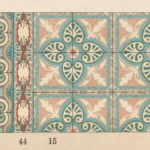
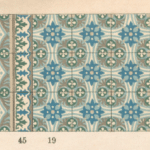
- Afdruk of merk: in de catalogus wordt “LA CÉRAMIQUE NATIONALE” bovenaan vermeld.
- Kleuren & glazuur: typische kleuren uit die periode, zoals zachte blauwtinten, groen, bruin of aardetinten.
- Techniek: platte tegel met decoratie, vaak gebruikt als veldtegel of met rand/halve tegel voor een omlijsting.
Het aanbod van oude vloertegels is niet oneindig
Hieronder kun je onze virtuele encyclopedie van antieke vloertegels bekijken. Op onze nieuwspagina blijf je ook op de hoogte van de laatste ontwikkelingen. Het nadeel van antieke vloertegels is dat we beperkt zijn tot de vloeren die gesloopt worden. Vaak is het oppervlak te klein of juist te groot, waardoor het ideale oppervlak vaak onmogelijk te verkrijgen is. Door het arbeidsintensieve reinigingsproces zijn antieke tegels bovendien aanzienlijk duurder dan replica’s.
Daarom zijn we begonnen met het opbouwen van de grootste collectie cementtegels, ook wel bekend als Portugese tegels. Met een standaardassortiment van 110 kleuren zijn de mogelijkheden om nieuwe vloeren te creëren praktisch eindeloos.
Een korte geschiedenis van ingelegde tegels
Ingelegde tegels, ook wel bekend als cementtegels, hebben een rijke en fascinerende geschiedenis die eeuwen teruggaat. Oorspronkelijk afkomstig uit het Midden-Oosten, wonnen deze decoratieve tegels populariteit in de islamitische wereld voordat ze zich verspreidden naar Europa en daarbuiten. Hier is een kort overzicht van hun geschiedenis:
Oorsprong: Ingelegde tegels vinden hun oorsprong in het Midden-Oosten, met name in gebieden zoals Perzië (het huidige Iran), waar ingewikkelde geometrische patronen en ontwerpen vaak werden toegepast in architectuur en decoratieve kunst. De vroegste voorbeelden dateren uit de 8e eeuw.
Islamitische invloed: Tijdens de Islamitische Gouden Eeuw (7e tot 13e eeuw) werden ingelegde tegels wijdverspreid, omdat islamitische ambachtslieden de technieken voor het maken van deze gedetailleerde tegels perfectioneerden. Islamitische architectuur, bekend om zijn geometrische patronen en arabesken, gebruikte ze veelvuldig in moskeeën, paleizen en openbare gebouwen.
Europese uitbreiding: Via handelsroutes kwamen ingelegde tegels in de Middeleeuwen naar Europa, vooral via Spanje en Italië. Ze werden bijzonder populair in Spanje tijdens de islamitische heerschappij op het Iberisch schiereiland, waar ze onder andere het Alhambra-paleis in Granada sierden.
Renaissance: Tijdens de Italiaanse Renaissance beleefden ingelegde tegels een heropleving, waarbij ambachtslieden oude technieken opnieuw ontdekten en verfijnden. Architecten en ontwerpers gebruikten de tegels in interieurs en gevels van kerken, paleizen en villa’s, waardoor kleur en levendigheid werden toegevoegd.
Victoriaanse tijd: In de 19e eeuw bereikten ingelegde tegels hun hoogtepunt tijdens de Victoriaanse periode. Verbeterde productietechnieken maakten ze betaalbaarder en toegankelijker, waardoor ze veel werden toegepast in zowel woningen als openbare gebouwen in Europa en de Verenigde Staten.
Moderne heropleving: Begin 20e eeuw raakten ingelegde tegels uit de gratie door goedkopere, massaal geproduceerde alternatieven zoals keramische en vinyltegels. In recente decennia hebben ze echter een comeback gemaakt. Interieurontwerpers en huiseigenaren waarderen het ambachtelijke vakmanschap en de tijdloze schoonheid, wat heeft geleid tot hernieuwde interesse in historische tegels en nieuwe ontwerpen geïnspireerd op traditionele patronen.
Tegenwoordig worden ingelegde tegels nog steeds gewaardeerd om hun duurzaamheid, veelzijdigheid en esthetische uitstraling. Of ze nu een kleuraccent geven aan een keukentegeltje, een blikvanger vormen in een badkamer, of de vloeren van een historisch gebouw sieren, ingelegde tegels blijven een geliefd onderdeel van architectuur en interieurdesign wereldwijd.
A brief history of encaustic tiles
Encaustic tiles, also known as cement tiles, have a rich and fascinating history dating back centuries. Originating in the Middle East, these decorative tiles gained popularity throughout the Islamic world before spreading to Europe and beyond. Here’s a brief overview of the history of encaustic tiles:
- Origins: Encaustic tiles have their roots in the Middle East, particularly in regions such as Persia (modern-day Iran), where intricate geometric patterns and designs were commonly used in architecture and decorative arts. The earliest examples of encaustic tiles date back to the 8th century.
- Islamic Influence: Encaustic tiles became widespread during the Islamic Golden Age (7th to 13th centuries), as Islamic artisans perfected the techniques for creating these intricate tiles. Islamic architecture, known for its elaborate geometric patterns and arabesque motifs, heavily featured encaustic tiles in mosques, palaces, and public buildings.
- European Expansion: Encaustic tiles made their way to Europe during the Middle Ages through trade routes, particularly via Spain and Italy. They became especially popular in Spain during the Islamic rule of the Iberian Peninsula, where they adorned the Alhambra palace in Granada and other Moorish architecture.
- Renaissance Revival: Encaustic tiles experienced a revival during the Renaissance in Italy, where artisans rediscovered and reinvented ancient techniques for creating decorative tiles. Renaissance architects and designers incorporated encaustic tiles into the interiors and exteriors of churches, palaces, and villas, adding color and vibrancy to their designs.
- Victorian Era: Encaustic tiles reached the height of their popularity during the Victorian era in the 19th century. Improved manufacturing techniques made encaustic tiles more affordable and accessible, leading to widespread use in residential and public buildings across Europe and the United States.
- Modern Resurgence: While encaustic tiles fell out of favor in the early 20th century with the rise of cheaper, mass-produced alternatives like ceramic and vinyl tiles, they experienced a resurgence in popularity in recent decades. Interior designers and homeowners alike appreciate the artisanal craftsmanship and timeless beauty of encaustic tiles, leading to a renewed interest in preserving historic tiles and creating new designs inspired by traditional patterns.
Today, encaustic tiles continue to be prized for their durability, versatility, and aesthetic appeal. Whether used to add a pop of color to a kitchen backsplash, create a stunning focal point in a bathroom, or adorn the floors of a historic building, encaustic tiles remain a beloved feature of architectural and interior design around the world.
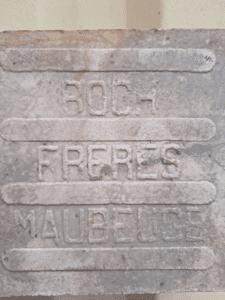
BODEMSTEMPELS
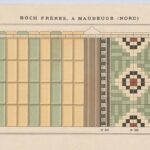
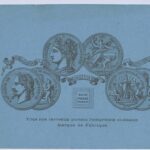
BOCH FRERES MAUBEUGE 1908
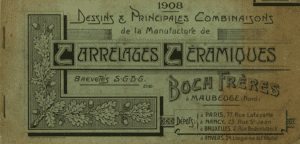
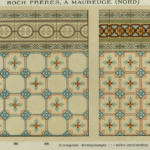
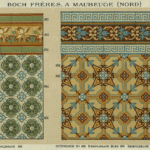
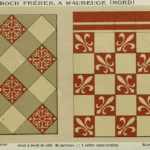
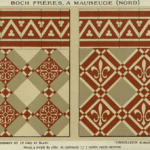
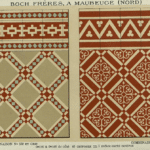
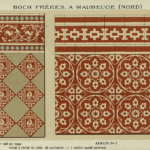
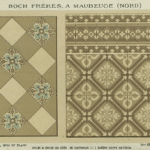
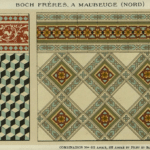
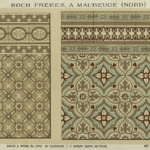
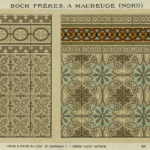
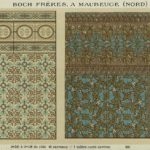
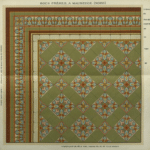
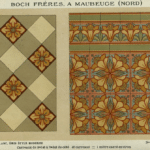
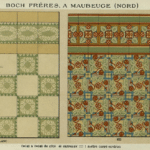
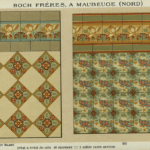
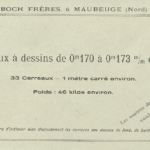
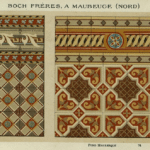
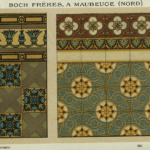
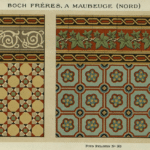
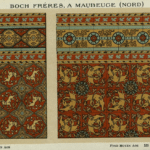
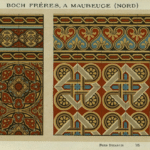
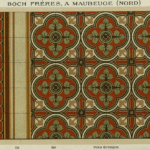
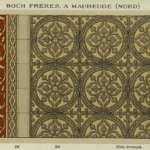
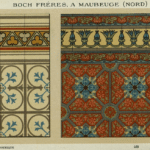
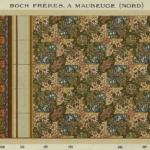
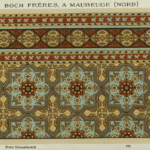
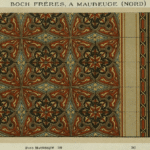
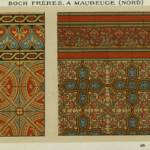
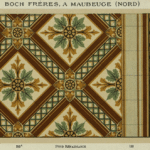
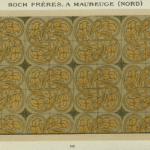
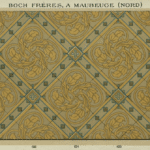
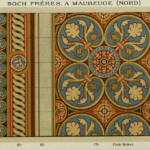
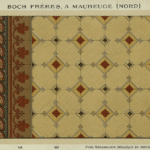
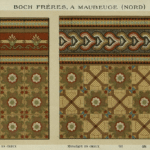
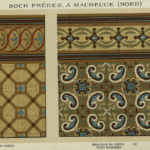
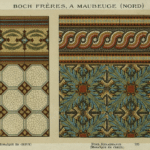
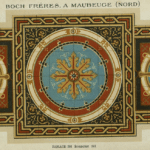
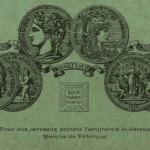
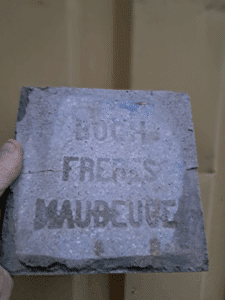
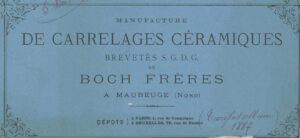
Boch Freres Maubeuge ( Nord) 1887
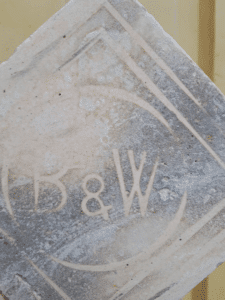
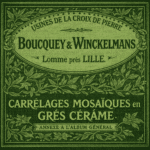
Manufacture de Carrelages Mosaiques Boucquey et Winckelmans, Usine de la Croix Pierre, Lomme, Pres de Lille
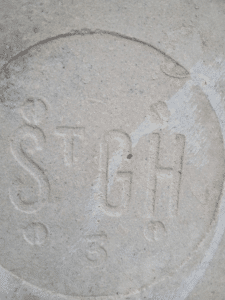
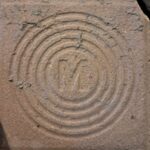 Carrelages Céramiques de Chimay, Maufroid & Soeur , Rue Poncet, Bourlers, Hainaut, Belgium, later SA La Céramique de Bourlers
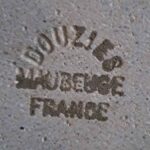 Fabriques de Produits Céramiques de Maubeuge
 Societe Anonyme, Gare de Douzies, Maubege
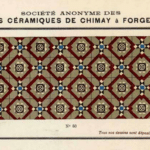
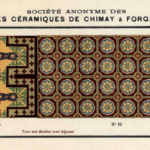
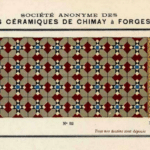
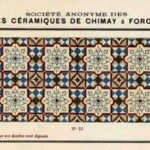
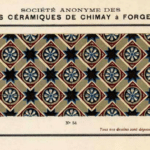
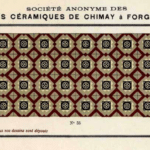
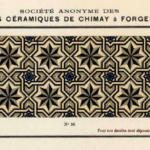
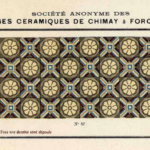
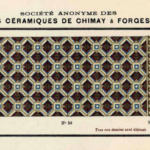
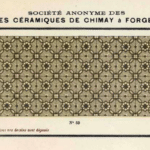
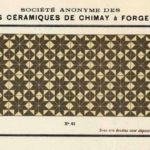
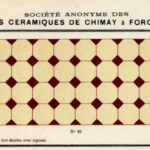
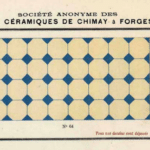
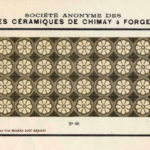
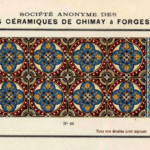
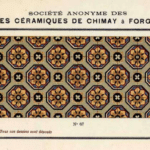
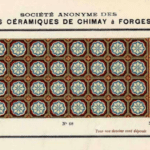
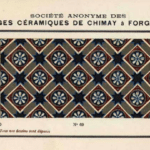
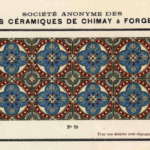
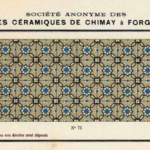
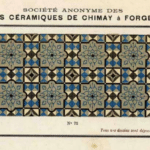
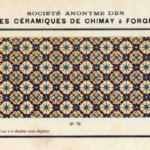
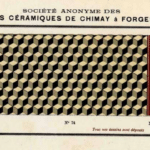
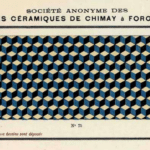
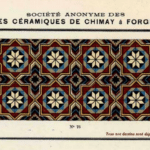
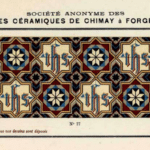
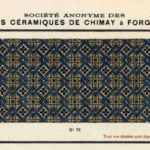
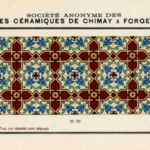
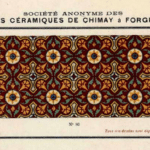
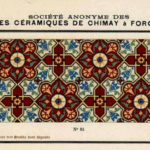
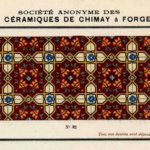
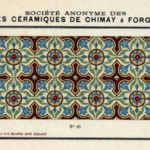
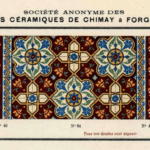
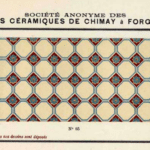
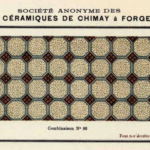
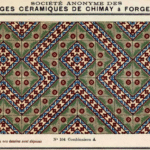
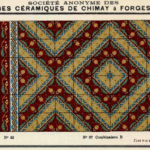
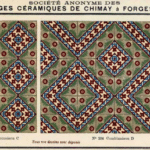
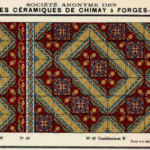
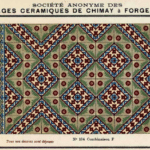
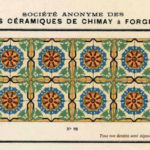
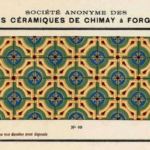
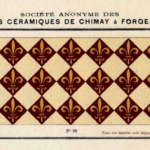
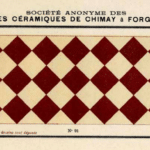
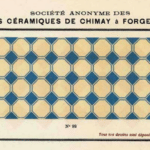
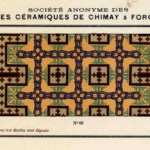
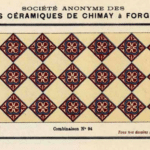
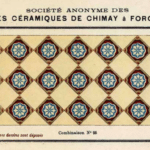
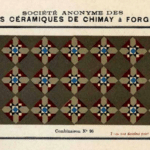
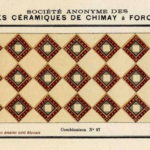
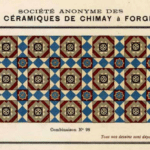
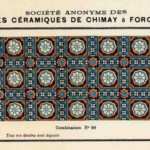
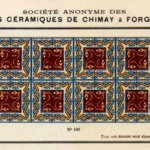
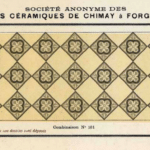
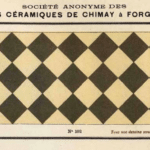
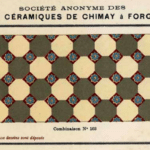
Societe Anonyme des carrelages Ceramiques de Chimay a Forges Lez Chimay
Societe Anonyme des Carrelages Ceramiques PARAY-Le-MONIAL
Societe Anonyme Perrusson Fils et Desfontaines, Ecuisses
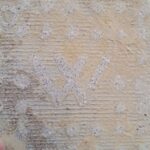 Société Anonyme La Céramique Nationale Welkenraedt
Societe Anonyme Compagnie de Produits Ceramiques Saint Remy Chimay
Hippolyte Boulenger & Cie
Carrelages Mosaiques Sand & Cie, Feignes, France
Céramique Nationale Forges Chimai
Maufroid Bourlers Hainaut
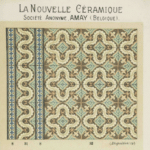
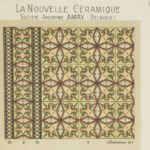
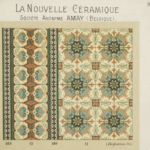
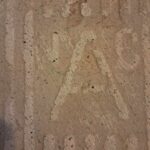 La Nouvelle Ceramique AMAY
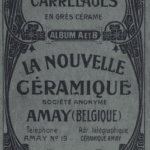
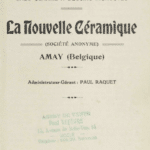
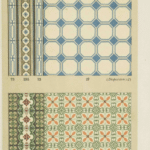
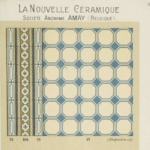
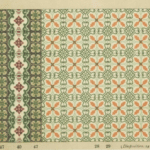
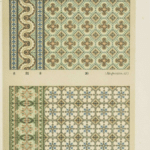
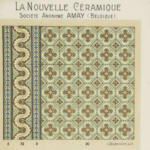
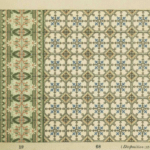
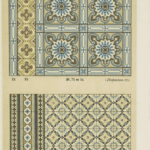
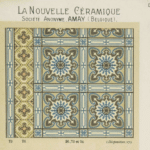
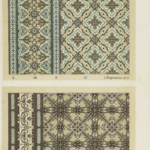
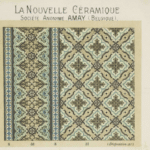
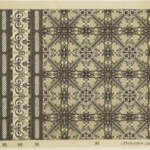
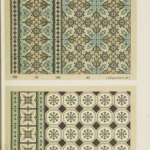
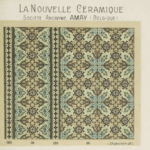
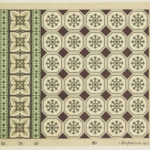
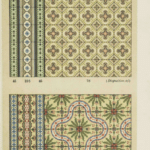
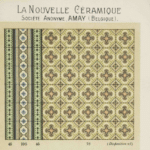
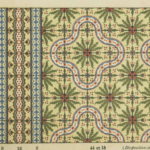
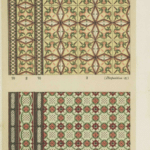
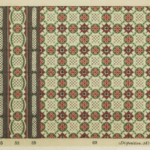
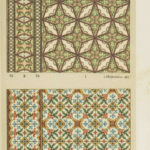
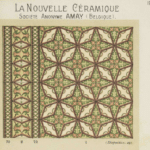
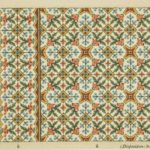
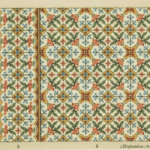
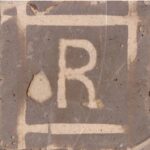 Societe Anonyme Ceramiques Moderne, Rebaix, Belgique (R) Hainaut
La Céramique Moderne à Rebaix-les-Ath
Société Anonyme des carrelages & produits céramiques de Chimay. Victor Poulet.
Carrelages Leon de Smet, Canteleu, France
Societe Anonyme Ceramiques Modernes Rebaix
Societe Anonyme Carreaux Ceramiques de Morialme, Belgique
Gilliot Hemiksem, Belgium
Etbs Carrelages Ceramiques de Douvrin, Pas-de-Calais
Usine de Montplaisir, Maubeuge
 Facebook