
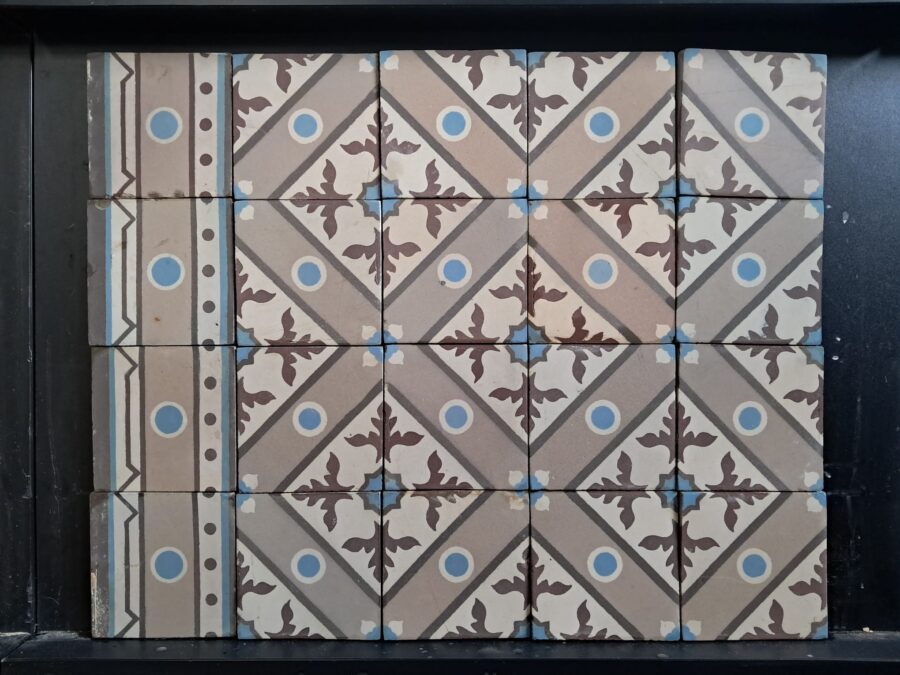
Omschrijving
Oude kloostertegels | C136
Antique floor tiles C136
Old ceramic carrelages C136
Old Fliesen C136
Elegantie uit Épernay: een antieke Franse tegelvloe
Oorspronkelijk lag deze bijzondere vloer in een herenhuis in het hart van de Champagnestreek, Épernay, waar hij generaties lang het huis verwelkomde met elegantie en karakter.
Deze vloer is niet zomaar een functioneel element, maar een stukje geschiedenis dat sfeer, verfijning en authenticiteit in huis brengt. Perfect voor liefhebbers van karaktervolle interieurs en historische details die een ruimte een unieke, tijdloze uitstraling geven.
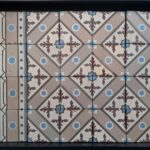
Verhoudingen oude tegels 15×15
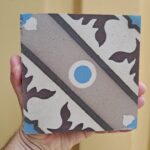 922 stuks
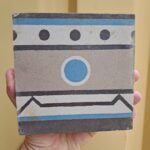 349 stuks ( 11 hoeken)
Al onze antieke vloeren zijn unieke stukken en worden daarom uitsluitend in hun geheel verkocht.
De antieke vloeren die op deze website worden getoond, vormen slechts een selectie uit ons totale aanbod. Bezoek onze showroom voor het meest actuele assortiment.
Het betreft antieke keramische tegels. Deze zijn gebakken en daardoor uitermate geschikt voor toepassing in natte ruimtes, zoals inloopdouches. Ook buitengebruik, bijvoorbeeld op een terras, is mogelijk: de tegels zijn vorstbestendig en behouden hun kleur.
Antieke tegels: tijdloze charme en vakmanschap voor uw interieur
Antieke tegels zijn meer dan 100 jaar oud en vertellen een verhaal van geschiedenis, vakmanschap en tijdloze schoonheid. Ondanks hun leeftijd zijn deze handgemaakte keramische tegels nog steeds van uitstekende kwaliteit. Het vakmanschap waarmee ze destijds zijn gemaakt, zorgt ervoor dat elke tegel duurzaam, stevig en klaar voor gebruik is, zowel binnen als buiten.
Kleine beschadigingen of onregelmatigheden in de tegels moeten juist worden gezien als karakteristieke details. Ze vormen een belangrijk onderdeel van de authentieke uitstraling en voegen sfeer en geschiedenis toe aan elke ruimte. Na het voegen zijn deze kleine imperfecties bovendien nauwelijks zichtbaar, waardoor het eindresultaat een vloeiende en elegante uitstraling heeft.
Door de hoge baktemperatuur van ongeveer 1300 graden zijn antieke tegels bijzonder robuust en geschikt voor intensief gebruik. Dit maakt ze ideaal voor vloeren in woonkamers, keukens, badkamers, hallen, terrassen, serres of tuinhuisjes. Bovendien kunnen deze tegels uitstekend gecombineerd worden met vloerverwarming, omdat keramiek warmte goed geleidt en vasthoudt. Zo creëert u een comfortabele en stijlvolle vloer die functioneel én prachtig is.
Elke tegel is met de hand vervaardigd, waardoor er natuurlijke variaties ontstaan in kleur, formaat en dikte. Deze verschillen zijn geen probleem; ze dragen juist bij aan de unieke charme en levendigheid van het geheel. Geen enkele vloer zal ooit precies hetzelfde zijn, waardoor uw ruimte een exclusieve uitstraling krijgt die u nergens anders vindt.
Kies voor antieke tegels en haal een stukje geschiedenis, vakmanschap en tijdloze elegantie in huis. Of u nu een klassieke, rustieke of moderne inrichting wilt verrijken, handgemaakte antieke tegels zorgen voor een vloer of wand die karakter, warmte en een authentiek verhaal uitstraalt.
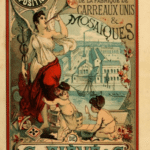
Antique Tiles: A Floor Full of History and Character
Step into a room with antique tiles and immediately feel the charm of over 100 years of craftsmanship. Each tile is handmade, unique in color, size, and thickness, carrying a story from the past. Small imperfections or minor chips are not flaws—they are the signature details that give these tiles their authentic character. After grouting, these subtle nuances are barely visible, creating a seamless and elegant floor.
Thanks to being fired at around 1300 degrees, antique tiles are extremely durable and suitable for both indoor and outdoor use. From living rooms and kitchens to bathrooms, conservatories, or patios, these tiles combine strength with timeless beauty. They are also perfect for underfloor heating, conducting and retaining warmth for a comfortable and cozy floor.
The true beauty of handmade antique tiles lies in their uniqueness. Variations in color, thickness, and size bring life, personality, and exclusivity to every floor—something modern tiles cannot replicate. Whether you want to enhance a classic, rustic, or contemporary interior, antique tiles instantly add warmth, charm, and authenticity.
Choosing antique tiles means bringing a piece of history into your home—a floor that combines craftsmanship, durability, and one-of-a-kind beauty. Transform any space into a room full of character and style, where modern comfort meets timeless elegance. Your interior deserves more than just a functional floor—it deserves a statement of history, style, and personality.
Let op bij antieke tegels
Onze antieke keramische tegels zijn volledig met de hand vervaardigd, waardoor elke tegel uniek is. Kleine verschillen in formaat, dikte en kleur zijn normaal en dragen juist bij aan de authentieke charme van de vloer.
Elke vloer is een uniek geheel, en de afbeeldingen op onze website geven slechts een representatief beeld van het resultaat. Voor een optimaal eindresultaat adviseren wij om de tegels vooraf uit te leggen. Zo krijgt u samen met de tegelzetter een goed overzicht van het patroon, de kleurvariaties en de uiteindelijke uitstraling, zodat de vloer perfect tot zijn recht komt.
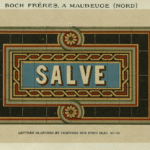
Wat zijn precies kloostertegels?
Ah, kloostertegels met een motief—dat is pas echt bijzonder! Terwijl gewone kloostertegels al sfeer en karakter uitstralen, voegen tegels met een motief een extra laag charme toe. Denk aan klassieke patronen, bloemenmotieven, geometrische lijnen of subtiele hand aangebrachte reliëfs.
Vroeger werden dergelijke tegels vooral gebruikt in kloosters, kerken en oude herenhuizen om een ruimte meer status of betekenis te geven. De motieven hadden soms ook symbolische waarde—bijvoorbeeld bloemen die zuiverheid uitbeelden, of kruisvormige motieven met religieuze betekenis. Door de jaren heen zijn de patronen geëvolueerd, maar ze dragen nog steeds die historische uitstraling.
Tegenwoordig worden kloostertegels met motieven vaak gebruikt als blikvanger: bijvoorbeeld op een keukenvloer, in de hal of zelfs als wandtegel in de badkamer. Het mooie is dat ze zowel in klassieke als in moderne interieurs perfect passen. Combineer ze met strakke meubels voor een stijlvol contrast tussen oud en nieuw.
Ze zijn verkrijgbaar in keramiek (antieke keramische tegels) of cement (Portugese cementtegels), elk met een eigen unieke uitstraling. Dankzij moderne technieken is er een breed scala aan kleuren en afwerkingen mogelijk—van subtiel verweerd tot strak en grafisch. De mogelijkheden zijn eindeloos!
Kloostertegels met motieven combineren karakter, vakmanschap en een vleugje kunst. Ze zijn allemaal handgemaakt en transformeren een gewone vloer tot een statement piece vol geschiedenis en persoonlijkheid. Bij FLOORZ hebben we jarenlange expertise opgebouwd in dit type tegel. We hebben een grote collectie en een showroom om bij weg te dromen. Onze verkoopexperts hebben veel ervaring met deze tegels, en we hopen u binnenkort in onze showroom te verwelkomen, zodat u al onze kloostervloeren kunt bewonderen!
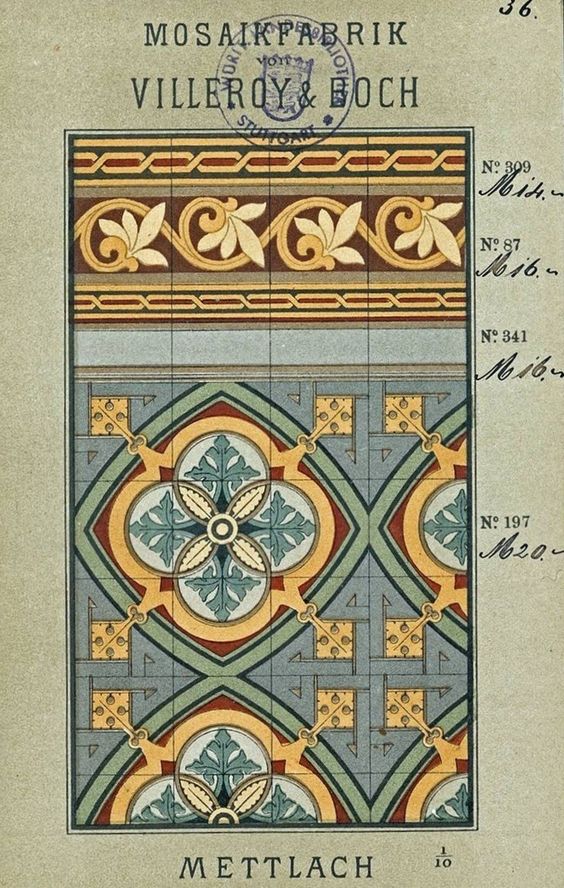
Extra specificaties:
-
Categorie: Antieke vloertegels
-
Dikte: gemiddeld 16 mm
-
Geschikt voor: Vloer- en wandtegels
-
Productie: Gebakken tegels
-
Impregnatie: Nee, impregneren is niet nodig
-
Vloerverwarming: Ja, geschikt voor vloerverwarming
-
Antislipwaarde: R10
-
Oppervlak: Geglazuurd
-
Reiniging: Alle reinigingsmiddelen mogelijk
-
Kleurverschillen: Ja, kunnen aanwezig zijn
-
Effen tegels beschikbaar: Ja
-
Bijpassende wandtegels beschikbaar: Zelliges tegels
-
Randtegels beschikbaar: Ja, meestal
-
Land van herkomst: Patronen afkomstig uit Frankrijk
-
Materiaal: Gebakken klei en ijzeroxide kleurpigmenten
-
Gewicht: 37 kg per m²
-
Handgemaakt: Ja, elk stuk is handgemaakt
-
Alternatief goedkopere vloertegels: Portugese vloertegels
-
Meer informatie: Veelgestelde vragen
 Facebook